Sea Turtle Conservation Trust
Donate crypto to this animal welfare cause in Costa Rica. We accept Bitcoin, Ethereum, USDT and six other coins, with no platform fee.
Funds nest protection programs on beaches facing pressure from coastal development.
Why this matters in Costa Rica
Leatherback, green and hawksbill turtles all nest on the southern Caribbean coast of Costa Rica. A female returns to the region where she hatched, lays a clutch, and leaves the eggs buried for about two months. In that time a nest faces erosion, flooding, dogs and raccoons, and people who dig up eggs to sell, a trade that persists despite being illegal.
Beaches such as Pacuare and Moín lie on a stretch of coast shaped by banana plantations, a large new container port at Moín and few alternative jobs. Artificial lighting, traffic and shifting sand make nesting harder, and enforcement is thin along long, remote strands, some reachable mainly by boat. Leatherbacks cannot absorb heavy losses: females nest only every few years, and very few hatchlings survive to adulthood. Guarding eggs on the beach is one of the few points in a turtle's life where people can directly improve those odds.
What your gift pays for
- Night patrol shifts for local and visiting patrollers walking the beach through nesting season
- Hatchery construction and upkeep, where at-risk clutches are moved and guarded until hatching
- Flipper tags, data sheets and field equipment for recording nesting females and hatch success
- Boat and vehicle transport that moves patrollers and supplies to remote stretches of sand
Organization
Asociación Latin American Sea Turtles (LAST) · Costa Rica
Founded 2007 · Headquarters: Tibás, San José
Costa Rican association running sea turtle nest protection and beach conservation projects with coastal communities.
How they work: During nesting season LAST teams walk the beach at night, from evening into the early hours. Patrollers, a mix of staff, local residents and national and international volunteers, protect females while they nest, tag them, and move eggs threatened by poaching or erosion into a guarded hatchery. Each encounter is recorded, building data on population trends for regional conservation planning. The project also works with the local community to reduce poaching and the illegal trade in eggs and turtle products.
Track record: Since 2011 LAST has run a community nest-protection project on Pacuare beach, also working at Cahuita and Moín on leatherback, green and hawksbill nesting.
✓ Verified by our team on 14 April 2022
Giving in Costa Rica
Habitat protection is what the two Costa Rican causes share, one in the mountains and one on the coast. The Monteverde Conservation League buys and reforests land in cloud forest corridors that link fragmented habitat, extending the Children's Eternal Rainforest. LAST protects sea turtle nests on beaches under pressure from coastal development. Both build on Costa Rica's long record of conservation and its extensive network of protected areas.
2 causes are listed in Costa Rica, each with its own verified organization. $205,091 has been distributed to causes in Costa Rica since 2021.
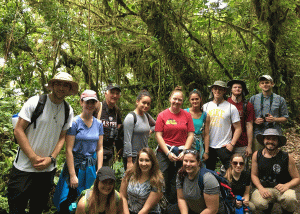 Our guide to giving in Costa Rica · all 2 causes
Donar criptomonedas a Costa Rica: bosque nuboso y tortugas marinas
Read the guide and compare causes →
See all Animal Welfare causes and how we choose them →
How your gift reaches this cause
- You send crypto to DonateCrypto’s verified wallet for the coin you choose. No platform fee is taken; blockchain network fees still apply.
- Your transaction ID ties the gift to this cause. Our team checks it on the blockchain and emails your official receipt once it’s confirmed.
- We then convert the funds for this cause and send them to Asociación Latin American Sea Turtles (LAST), the organization named above, by bank transfer to its registered bank account, within 24 hours of confirming your donation.
- Every cause is reviewed before it’s listed — see how we vet causes.
- DonateCrypto is a program of Global Relief Group, a US 501(c)(3) nonprofit, so gifts may be tax-deductible for US donors.