Rural Youth Support Network
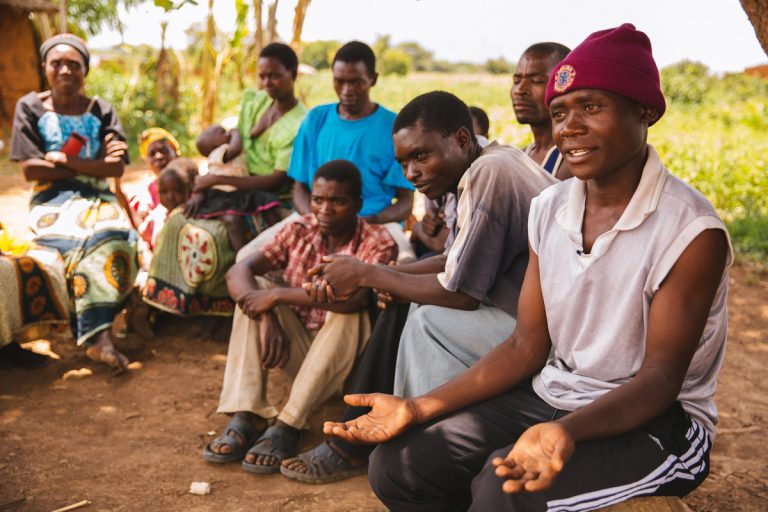
Donate crypto to this children & youth cause in Malawi. We accept Bitcoin, Ethereum, USDT and six other coins, with no platform fee.
Funds after-school agricultural training programs keeping rural youth engaged in education rather than early labor.
Why this matters in Malawi
Most Malawians live in rural villages and depend on small plots of maize, groundnuts or tobacco, so a teenager who can hoe, herd or carry is useful labor. When rains fail or prices drop, families pull older children out of class to earn cash through piecework, known locally as ganyu, or to work on tobacco estates. Primary education has been free since 1994, but costs for uniforms, exam fees and the long walk to a secondary school still push many out between the ages of thirteen and sixteen, girls often first.
Once out of school, few return. Landholdings shrink with each generation, and young people inherit too little land to farm the old way. Practical training in irrigation, vegetables and small livestock gives them a way to earn on modest plots during the dry season, and tying that training to school attendance gives parents a reason to keep children enrolled rather than send them to work.
What your gift pays for
- Seed, tools and small irrigation kits for school-linked youth farming clubs
- Trainers and agricultural extension visits during the dry season growing cycle
- Demonstration plots where members test crops, spacing and water-saving methods
- Record-keeping and basic marketing training so members can sell produce locally
Organization
World Vision Malawi · Malawi
Founded 1982 · Headquarters: Lilongwe
Runs youth agribusiness clubs training rural young people in farming in Malawi.
How they work: World Vision works through long-term area programmes, each covering a defined part of a district for many years rather than short project cycles. Within an area, it organizes work through community committees, schools and local leaders, and coordinates with government services such as agricultural extension and health staff. Child sponsorship funds much of this, which lets activities follow the same children and villages over time. Youth farming clubs fit inside that wider program, alongside work on schooling, child protection and household livelihoods.
Track record: In the Thundu Area Programme, World Vision's Impact Plus clubs train youth in irrigation and vegetable farming, with membership conditional on attending school (2026).
✓ Verified by our team on 6 July 2025
Giving in Malawi
Village-level self-reliance connects the Malawi causes. Community health workers, trained and paid a stipend by Partners In Health, handle diagnosis and referral in villages more than a day's walk from a clinic. Smallholder cooperatives share irrigation equipment, rural youth receive after-school agricultural training as an alternative to early labor, and shared solar micro-grids replace charcoal and kerosene, easing pressure on forests. Each cause pools resources at the community level in a largely rural, farming-based country.
4 causes are listed in Malawi, each with its own verified organization. $356,868 has been distributed to causes in Malawi since 2021.
 Our guide to giving in Malawi · all 4 causes
Donate Crypto to Malawi: 4 Verified Causes You Can Support
Read the guide and compare causes →
See all Children & Youth causes and how we choose them →
How your gift reaches this cause
- You send crypto to DonateCrypto’s verified wallet for the coin you choose. No platform fee is taken; blockchain network fees still apply.
- Your transaction ID ties the gift to this cause. Our team checks it on the blockchain and emails your official receipt once it’s confirmed.
- We then convert the funds for this cause and send them to World Vision Malawi, the organization named above, by bank transfer to its registered bank account, within 24 hours of confirming your donation.
- Every cause is reviewed before it’s listed — see how we vet causes.
- DonateCrypto is a program of Global Relief Group, a US 501(c)(3) nonprofit, so gifts may be tax-deductible for US donors.