Flood-Resistant Sanitation Fund
Donate crypto to this water & sanitation cause in Bangladesh. We accept Bitcoin, Ethereum, USDT and six other coins, with no platform fee.
Builds raised, flood-resistant latrines in low-lying delta communities where seasonal flooding regularly contaminates ground-level sanitation.
Why this matters in Bangladesh
Much of the delta lies only a few meters above sea level, and during the monsoon the Jamuna, Padma and Teesta spill across char islands and riverbank villages for weeks. Pit latrines dug at ground level flood and overflow, washing waste into the ponds and shallow tube wells that families use for drinking and bathing, so outbreaks of diarrhea and cholera often follow the water.
The country made large gains against open defecation in the 2000s, but many toilets built then were simple pits that do not survive repeated flooding. Households on chars and in cyclone- and salinity-affected coastal areas are among the poorest, and they move often as land erodes, so they rarely invest in durable sanitation. Raised plinths, sealed pits and elevated superstructures keep latrines usable through the wet season, but they cost more than many families can pay on their own.
What your gift pays for
- Raised plinths and sealed pits that keep latrines above typical flood levels
- Concrete rings, slabs and water-seal pans for durable twin-pit toilets
- Hygiene sessions on handwashing and safe water storage ahead of flood season
- Training for local masons who build and repair flood-resistant latrines
Organization
BRAC WASH programme · Bangladesh
Founded 2006 · Headquarters: Dhaka
BRAC's WASH programme delivers water and sanitation in rural and climate-vulnerable areas of Bangladesh, including a drive to serve 1 million people in climate hotspots.
How they work: BRAC's WASH program works through village WASH committees, which identify the poorest households, track progress and keep hygiene messages alive after construction ends. Families who can afford a better latrine can buy one through local producers or with a small loan from BRAC's microfinance arm, while subsidies are reserved for the ultra-poor. BRAC's community health workers, the shasthya shebikas, reinforce hygiene practices during home visits.
Track record: Between 2006 and 2014 BRAC WASH helped 35.8 million people in Bangladesh gain access to clean toilets, including double-pit latrine subsidies for over 1 million ultra-poor families.
✓ Verified by our team on 30 December 2024
Giving in Bangladesh
Floods, refugees and pressures on childhood connect the Bangladesh causes. Two serve the Rohingya camps around Cox's Bazar, one of the world's largest and most protracted refugee settlements, through informal learning centers and shelter repair. Others build raised latrines in low-lying delta communities, fund schooling, shelter and skills training that help children move from garment and brick-kiln work into learning, and fund scholarships that keep girls in school in districts with high child marriage rates. BRAC, one of the largest development organizations based in Bangladesh, partners on most of them.
5 causes are listed in Bangladesh, each with its own verified organization. $583,338 has been distributed to causes in Bangladesh since 2021.
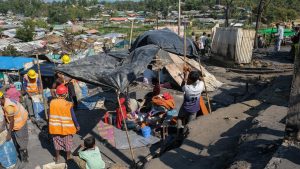 Our guide to giving in Bangladesh · all 5 causes
বাংলাদেশে ক্রিপ্টো দান: রোহিঙ্গা শিশু, স্যানিটেশন ও কিশোরীদের পাশে
Read the guide and compare causes →
See all Water & Sanitation causes and how we choose them →
How your gift reaches this cause
- You send crypto to DonateCrypto’s verified wallet for the coin you choose. No platform fee is taken; blockchain network fees still apply.
- Your transaction ID ties the gift to this cause. Our team checks it on the blockchain and emails your official receipt once it’s confirmed.
- We then convert the funds for this cause and send them to BRAC WASH programme, the organization named above, by bank transfer to its registered bank account, within 24 hours of confirming your donation.
- Every cause is reviewed before it’s listed — see how we vet causes.
- DonateCrypto is a program of Global Relief Group, a US 501(c)(3) nonprofit, so gifts may be tax-deductible for US donors.